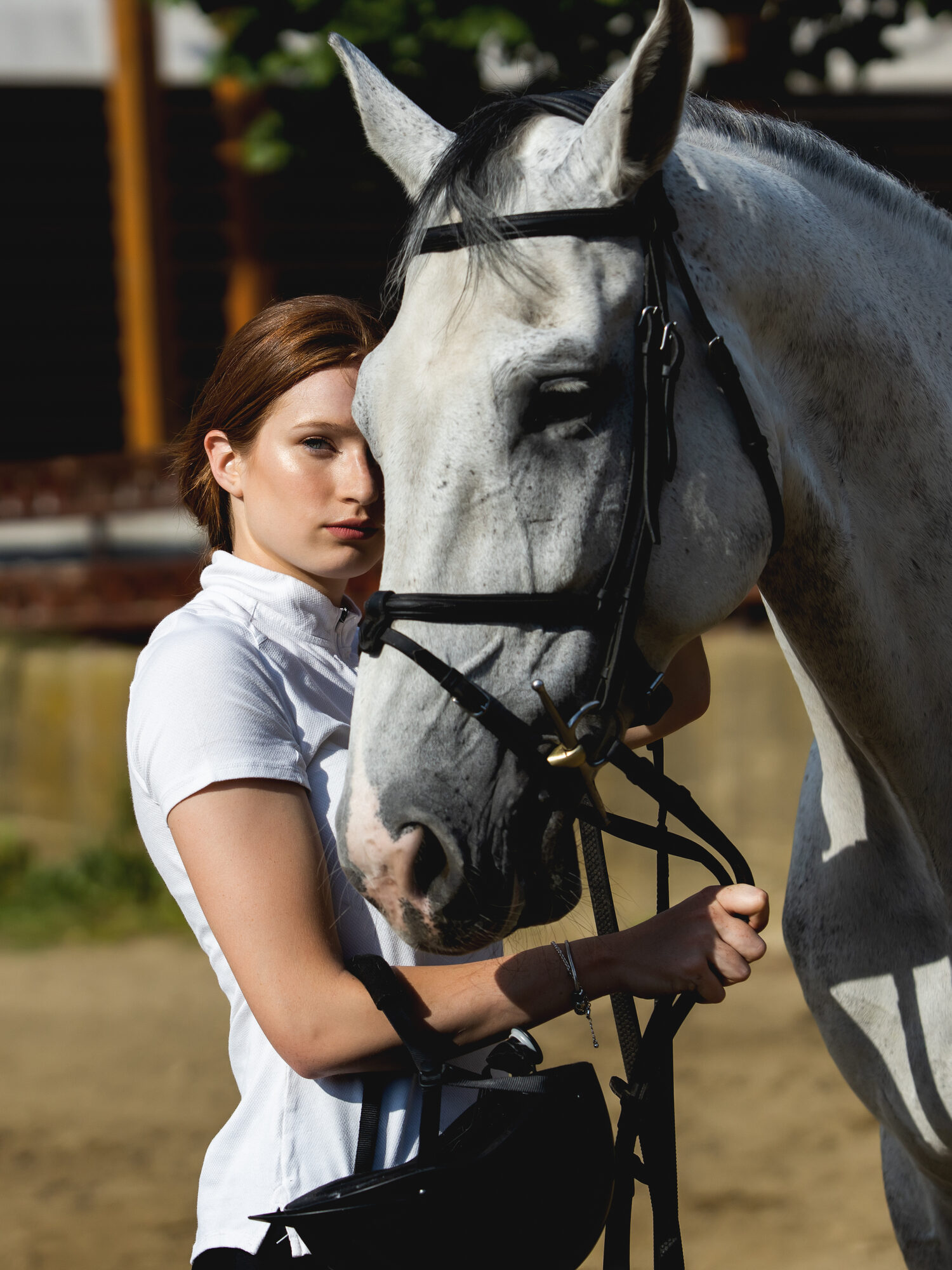
The Art of Perfect Riding Balance
Mastering Harmony Between Rider and Horse
The Art of Perfect Riding Balance is the ability to move in complete harmony with the horse—physically, mentally, and emotionally. It's more than just staying upright in the saddle; it's about developing a deep awareness of rhythm, posture, and connection that allows you to become one with your equine partner.
Understanding the Fundamentals
Balance in riding begins with understanding your center of gravity and how it relates to your horse's movement. A well-balanced rider maintains an upright position with a relaxed yet engaged core, allowing their body to follow the natural motion of the horse without resistance.
The foundation of good balance starts from the ground up. Your legs should hang naturally from the hip, with heels slightly lower than toes. Your seat bones should be in contact with the saddle, creating a secure yet flexible base of support. This position allows you to absorb the horse's movement through your pelvis and lower back.

Proper positioning is key to maintaining balance at all gaits
Physical Balance Techniques
Developing physical balance requires consistent practice and body awareness. Focus on maintaining a straight line from your ear through your shoulder, hip, and heel. This classical position ensures optimal weight distribution and allows for clear communication with your horse.
Key Points for Physical Balance:
- Keep your eyes up and looking ahead, never down at your horse
- Maintain soft, following hands that move with the horse's head motion
- Engage your core muscles to stabilize your upper body
- Allow your hips to move fluidly with the horse's stride
- Keep your weight evenly distributed in both stirrups
Mental and Emotional Balance
True balance extends beyond physical alignment. Mental balance involves staying calm, focused, and present in each moment. Horses are incredibly sensitive to rider tension and anxiety, so maintaining emotional equilibrium is essential for effective communication.
Practice mindfulness techniques such as deep breathing and visualization before and during your rides. When you feel yourself becoming tense or off-balance, take a moment to reset—soften your shoulders, breathe deeply, and reconnect with your horse's rhythm.
"Balance is not something you find, it's something you create through awareness, practice, and partnership with your horse."
Exercises to Improve Balance
Regular exercises both on and off the horse can significantly improve your balance. Here are some effective practices:
Mounted Exercises:
- Two-Point Position: Rise slightly out of the saddle and hold, building leg strength and core stability
- No-Stirrup Work: Ride without stirrups to develop deeper seat and better feel
- Arm Circles: Make large circles with your arms while maintaining balance and rhythm
- Eyes Closed Work: Briefly close your eyes at walk to enhance feel and body awareness
Off-Horse Exercises:
- Yoga and Pilates for core strength and flexibility
- Balance board work to improve proprioception
- Single-leg exercises to develop stability
- Stretching routines to maintain suppleness
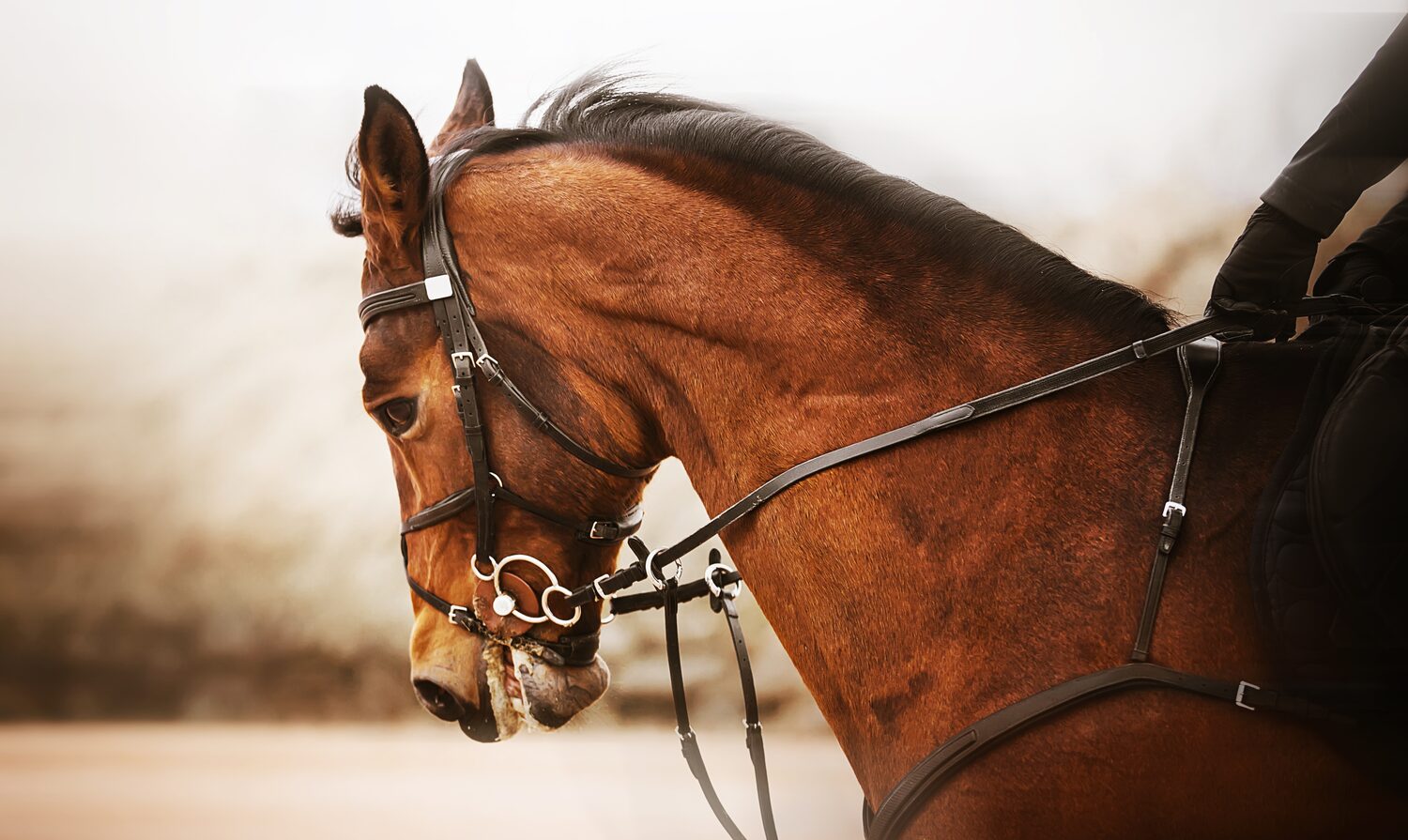
Achieving perfect balance creates beautiful harmony between horse and rider
Common Balance Mistakes
Even experienced riders can fall into balance traps. Be aware of these common issues:
- Gripping with the knees: This pushes you up and out of the saddle, reducing stability
- Leaning forward: Places too much weight on the horse's forehand
- Stiff lower back: Prevents you from following the horse's movement
- Uneven weight in stirrups: Creates imbalance that the horse must compensate for
- Looking down: Shifts your center of gravity forward and downward
Building Long-Term Balance
Developing excellent balance is a journey, not a destination. It requires consistent practice, honest self-assessment, and often guidance from experienced instructors who can identify and correct subtle imbalances before they become habits.
Consider regular lessons with qualified instructors, video analysis of your riding, and body work such as massage or chiropractic care to address any physical limitations. Remember that your horse is your best teacher—listen to their feedback through their movement and responsiveness.
Conclusion
The art of perfect riding balance is a lifelong pursuit that enriches both rider and horse. By focusing on physical alignment, mental presence, and emotional stability, you create the conditions for true partnership and excellence in riding. Start with the fundamentals, practice consistently, and remain patient with yourself as you develop this essential skill.
At Lynne's Riding Center, we're committed to helping riders of all levels develop strong foundational skills, including balance. Our experienced instructors provide personalized guidance to help you achieve your riding goals. Contact us today to learn more about our programs.
Related Articles

How to Build Trust with Horses
Creating a genuine, respectful relationship through patience and communication.
Mastering Horse Jumping Techniques
Learn the fundamentals of show jumping from approach to landing.
Dressage Fundamentals for All Levels
Master the art of dressage from basic movements to advanced patterns.